
Oct 3, 2026Pet Care Insights
Pet Paw Care for Dogs and Cats: Cleaning, Moisturizing, and Protection Guide
A practical pet paw care guide covering safe cleaning, paw balm use, seasonal protection, warning signs, and product selection for dogs and cats.
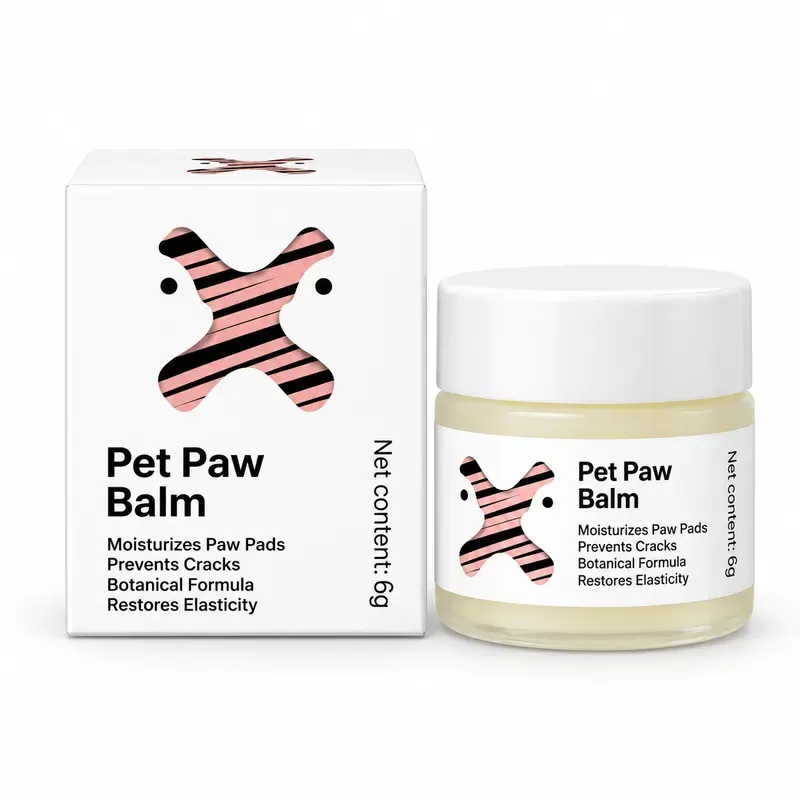
Pet paw care is a simple routine that helps keep dogs and cats comfortable during daily walks, indoor play, grooming, and seasonal weather changes. A complete routine has three parts: inspect the paws, clean away dirt and residue, and support dry paw pads with a pet-safe moisturizer when needed.
Quick answer: What is a good pet paw care routine?
A practical paw care routine includes checking the pads and spaces between the toes, removing visible dirt with a gentle pet foot cleanser, drying the paws thoroughly, and applying a thin layer of pet-safe paw balm to dry pads. Frequency depends on the pet’s activity, environment, and skin condition. Persistent redness, swelling, bleeding, limping, odor, or repeated licking should be assessed by a veterinarian.
Why paw care matters
Paw pads contact floors, grass, soil, pavement, cleaning residue, moisture, and outdoor debris. These surfaces can leave dirt between the toes or make the pads feel dry and rough. Regular inspection also makes it easier to notice small changes before they become more uncomfortable.
Paw care is useful for both dogs and cats, but the routine should remain gentle. Products intended for people may contain fragrance, active ingredients, or essential oils that are unsuitable for pets. Choose products clearly designed for animal use and follow the label directions.
Common signs that paws need attention
Look for changes while the pet is relaxed. Useful warning signs include:
- dirt or residue between the toes;
- dry, rough, or flaky paw pads;
- excessive licking or chewing;
- redness, swelling, or unusual warmth;
- unpleasant odor;
- cuts, bleeding, or a foreign object;
- limping or reluctance to walk.
Minor dirt and ordinary dryness may be managed with routine grooming. Pain, broken skin, discharge, persistent irritation, or sudden lameness requires professional veterinary advice rather than cosmetic care alone.
Step-by-step paw cleaning routine
1. Inspect before cleaning
Check the top and underside of each paw, the pads, nails, and spaces between the toes. Remove loose debris only when it can be lifted safely. Do not dig into the skin or pull out an embedded object.
2. Use a pet-specific foot cleanser
A pet foot cleaning foam can make routine cleaning easier because it can be applied in a controlled amount without soaking the entire paw. Apply according to the product instructions, massage gently around the pads and between the toes, and avoid broken or irritated skin unless the label specifically allows it.
3. Wipe and dry thoroughly
Use a clean, soft cloth or disposable pet wipe to remove loosened dirt. Dry the spaces between the toes as well as the pads. Leaving the paws damp can make the skin feel uncomfortable and may encourage repeated licking.
4. Reward calm handling
Short, positive sessions help pets accept regular paw checks. Start with one paw, offer praise or a suitable reward, and build the routine gradually rather than restraining an anxious pet for a long session.
When and how to use paw balm
Pet paw balm is designed to form a light conditioning layer on dry pads. After cleaning and drying, apply a small amount and massage it over the pad surface. A thin layer is usually easier to absorb and less likely to be tracked across the floor.
Choose a balm labeled for pets, with clear usage directions and a complete ingredient list. Because pets may lick their paws, avoid using an unverified human moisturizer. Stop use if redness or discomfort appears, and consult a veterinarian when dryness is severe, recurring, or associated with cracking and pain.
Seasonal paw protection
Hot weather
Pavement can become hotter than the surrounding air. Walk during cooler periods, prefer shaded or natural surfaces where practical, and check the paws after outdoor activity. Paw balm does not replace avoiding dangerously hot surfaces.
Rainy or muddy weather
Clean mud and street residue soon after returning indoors. Pay special attention to the spaces between the toes, then dry the paws completely.
Cold and dry conditions
Cold air, low humidity, and rough ground can contribute to dry-feeling pads. Regular inspection and a pet-safe conditioning balm may support routine maintenance, but visible injury or significant cracking needs veterinary assessment.
How to choose a pet foot cleaning foam
For household use or private-label sourcing, evaluate more than fragrance and packaging. A useful buyer checklist includes:
- suitability for dogs, cats, or both;
- clear directions and warnings;
- gentle cleansing performance for routine use;
- easy-to-control foam dispensing;
- packaging that limits leakage during transport;
- ingredient documentation and product specifications;
- batch consistency and quality-control records;
- OEM or private-label options when sourcing for a brand.
The ideal format depends on the use case. A compact foam bottle is convenient near an entryway or in a grooming kit, while larger formats may suit professional grooming or frequent multi-pet use.
How to choose a pet paw balm
A paw balm should be easy to apply in a thin, even layer and packaged to protect the formula from contamination. When comparing products, check:
- the intended species and age guidance;
- complete ingredient and usage information;
- texture and absorption;
- packaging size and portability;
- storage conditions and shelf-life documentation;
- labeling and customization options for private-label programs.
Avoid exaggerated claims. A grooming balm supports routine conditioning; it is not a substitute for veterinary treatment of infection, wounds, allergies, or painful paw disorders.
A simple weekly paw care schedule
For many pets, a useful schedule is:
- After outdoor activity: remove visible dirt and dry wet paws.
- Several times per week: inspect pads, nails, and spaces between the toes.
- When pads feel dry: apply a thin layer of pet-safe paw balm as directed.
- During grooming: note recurring redness, odor, licking, or sensitivity.
- When warning signs persist: pause cosmetic products and contact a veterinarian.
The schedule should be adjusted for the pet’s lifestyle. Working dogs, city dogs, senior pets, and animals with known skin sensitivities may need a more individualized routine.
Frequently asked questions
Can I clean my dog’s paws every day?
Daily removal of ordinary dirt can be appropriate when a gentle pet-specific method is used. Avoid aggressive scrubbing or repeatedly leaving the paws wet. Follow the cleanser label and reduce frequency if the skin becomes dry or irritated.
Can cats use paw balm?
Only use a balm whose label states that it is suitable for cats. Cats groom frequently, so species suitability and clear ingredient information are especially important.
Should paw balm be applied before or after a walk?
For routine moisturizing, apply it to clean, dry pads and follow the product directions. A balm should not be treated as protection against unsafe surface temperatures or sharp ground.
What is the difference between pet foot cleaning foam and paw balm?
Foot cleaning foam is used to loosen and remove dirt or residue. Paw balm is used after cleaning to condition dry paw pads. They serve different steps in the same grooming routine.
When should I call a veterinarian?
Seek veterinary advice for limping, bleeding, deep cracks, swelling, discharge, a suspected foreign object, significant pain, or licking that continues despite routine cleaning.
Build a complete paw care routine
Effective pet paw care is consistent, gentle, and easy to repeat. Inspect first, clean only as needed, dry thoroughly, and use a pet-safe paw balm for routine conditioning. For pet care brands, pairing a controlled-dispensing foot cleaning foam with a portable paw balm can create a clear two-step grooming system for dogs and cats.
Vetesecare supports OEM and private-label pet care product development. Contact the team to discuss packaging, labeling, formula requirements, and sourcing needs for pet foot cleaning foam, paw balm, and related grooming products.
This article provides general grooming information and is not a substitute for veterinary diagnosis or treatment.