How to Choose a Pet Oral Care Product Manufacturer: A Buyer’s Guide for OEM and Private Label Brands
A practical sourcing guide for pet care brands evaluating OEM and private label manufacturers for dental water and other daily oral care products.
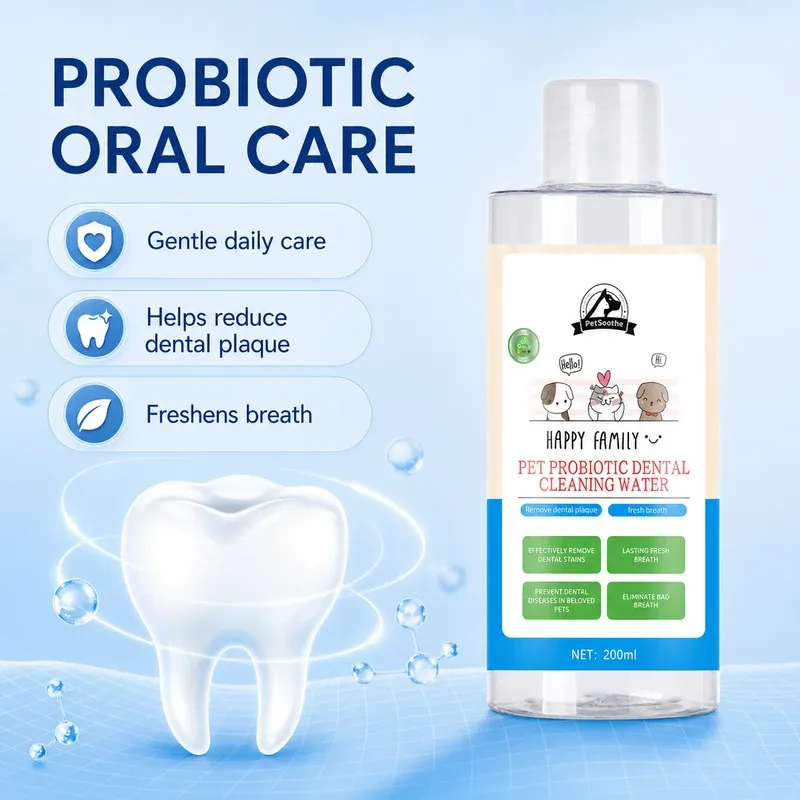
Pet oral care is becoming an important part of the daily-care category for dogs and cats. For distributors, importers and private label brands, products such as pet dental cleaning water can provide a convenient addition to an existing grooming or hygiene line.
Choosing a manufacturer, however, requires more than comparing unit prices. Formula documentation, production controls, packaging compatibility and communication all affect whether an OEM project can move from concept to repeatable commercial production.
This guide explains the key points buyers should evaluate when selecting a pet oral care product manufacturer.
1. Define the Product and Target Market First
Before contacting suppliers, prepare a clear project brief. It should identify the product type, target animal, pack size, sales market, expected order quantity and desired positioning.
For a pet dental water project, the brief may include use for dogs, cats or both; bottle capacity and dispensing format; ingredient or claim preferences; target retail channel and price range; label language and market requirements; private label, OEM or ODM service needs; and the expected launch schedule.
A detailed brief helps manufacturers give more accurate feedback and reduces unnecessary revisions later.
2. Review Formula Information and Intended Use
Ask the manufacturer to explain the product’s intended use and provide clear ingredient information. Buyers should understand how the formula is positioned and how it should be used according to the label.
For example, the product information for Vetesecare’s 200 ml Pet Probiotic Dental Cleaning Water identifies lysozyme, green tea extract and a probiotic blend as key ingredients. It is positioned as a complementary daily oral care product for dogs and cats.
Avoid relying on exaggerated medical or disease-treatment claims. Product copy should remain accurate, evidence-based and suitable for the laws and advertising rules of the destination market.
3. Evaluate Manufacturing and Quality Control
A reliable supplier should be able to describe how raw materials, production, filling and finished products are controlled. Buyers can ask about raw-material specifications and supplier controls, batch identification and traceability, in-process inspection, filling and packaging checks, finished-product inspection, sample retention and the handling of nonconforming products.
Do not treat a certificate or a single sample as proof of every production batch. Request documentation relevant to the specific product and order.
4. Check Packaging Compatibility
Packaging is part of product performance. Bottle material, cap design, liner, label and outer carton should be evaluated together with the formula.
Confirm that the bottle is compatible with the liquid formula, the cap closes securely during storage and transport, the label tolerates normal handling, enough space is available for required product information and the shipping carton protects the retail units.
Buyers should confirm final packaging specifications before mass production rather than relying only on a digital rendering.
5. Understand OEM, ODM and Private Label Options
These terms are often used differently by suppliers, so clarify the service scope in writing. Private label usually refers to applying the buyer’s branding to an existing product configuration. OEM may involve customized packaging, formula requirements or specifications. ODM may include broader product development support.
Ask which elements can be customized, including brand name and label design, bottle color or volume, outer carton, shipping marks, fragrance or ingredient preferences when technically feasible, product instructions and bundled product sets.
Any customized claim or formula change should be reviewed for technical feasibility and market compliance.
6. Compare MOQ, Lead Time and Cost Structure
The lowest quotation is not always the lowest total cost. Compare what each quotation includes and which items require separate fees.
Review the minimum order quantity, sample and development charges, packaging setup or printing costs, testing or documentation fees, production lead time, carton quantity, shipment volume, payment terms and delivery terms.
MOQ may vary according to packaging customization, printing method and formula requirements. A standard package with an existing formula may offer a more practical starting point for a new brand.
7. Test Samples Before Confirming Production
Samples allow buyers to assess the product and packaging before approving a commercial order. Review the liquid appearance, odor, bottle, closure, label, instructions and overall presentation.
Record all requested changes in one consolidated feedback document. When a revised sample is approved, confirm that the commercial order will follow the approved specification.
8. Confirm Documentation for the Destination Market
Regulatory and labeling requirements differ between countries and sales channels. The buyer or brand owner is responsible for confirming the rules that apply to the destination market.
Discuss documentation early, including the product specification, ingredient information, packaging details and other records required for import or marketplace review. Do not wait until goods are ready to ship before identifying documentation gaps.
9. Evaluate Communication and Project Management
Good communication is a practical quality indicator. The supplier should answer questions clearly, identify uncertainties and confirm important decisions in writing.
Look for a manufacturer that provides a clear project contact, organized specifications and quotations, realistic timelines, documented sample approvals, progress updates and prompt handling of changes or problems.
A Simple Supplier Evaluation Checklist
- The product and target animal are clearly defined.
- Ingredient and usage information are available.
- Quality-control steps have been explained.
- Packaging compatibility has been considered.
- Customization scope and MOQ are clear.
- Samples have been reviewed.
- Destination-market documentation needs have been discussed.
- Lead time and commercial terms are documented.
- The final specification can be traced to the approved sample.
Frequently Asked Questions
What is the difference between private label and OEM pet oral care?
Private label commonly uses an existing product with the buyer’s branding, while OEM may include more customization of formula, packaging or specifications. Confirm the exact scope with each supplier because terminology varies.
Can a new brand start with a small order?
MOQ depends on the formula, bottle, label and printing method. Standard packaging and an existing formula may reduce the initial complexity, but the manufacturer must confirm the available options.
What information should I send for a quotation?
Provide the target market, product type, animal, pack size, estimated quantity, packaging needs, customization requirements and expected timeline.
Does dental cleaning water replace brushing or veterinary care?
No. A complementary oral care product should be used according to its label and should not be positioned as a replacement for brushing, veterinary assessment or professional treatment.
Work With Vetesecare
Vetesecare supports OEM and private label cooperation for pet care products, including daily oral care options. Buyers can discuss packaging, label presentation, order requirements and market needs with our team.
Contact us with your product brief to explore a suitable pet oral care solution for your brand or distribution channel.